

Stuck Pipe Prevention and Fishing Operations
| Start Date | End Date | Venue | Fees (US $) | ||
|---|---|---|---|---|---|
| Stuck Pipe Prevention and Fishing Operations | 01 Nov 2026 | 05 Nov 2026 | Live-Online | $ 2,500 | Register |

Stuck Pipe Prevention and Fishing Operations
| Start Date | End Date | Venue | Fees (US $) | |
|---|---|---|---|---|
| Stuck Pipe Prevention and Fishing Operations | 01 Nov 2026 | 05 Nov 2026 | Live-Online | $ 2,500 |
Introduction
This course will cover a practical review of the causes of a stuck pipe and the techniques that can be employed to avoid such problems. Participants will learn about investigation techniques covering the operation, selection, and use of fishing tools, including decision-making methods.
Objectives
This course has been designed to educate the participants with the main focus of how to prevent fishing jobs, however, if it does occur, what operations and techniques are available to recover the fish or how to sidetrack the well for wellbore recovery.
Training Methodology
The course is delivered in a combination of lecture-style and computer-based training. In addition, a significant amount of time is set aside for small working group activity when addressing case study problems. Extensive use is made of case study material to underline the key aspects of the course and to give the delegates exposure to current best practice.
Who Should Attend?
The intended audience for this course includes Drilling Supervisors, Drilling Engineers, Directional Drillers, Petroleum Engineers, Completion Engineers, Drillers, and Specialist Service Company Engineers.
Course Outline
Day 1: Introduction to Stuck Pipe Environment
-
Introduction to Stuck Pipe
-
Introduction to Drilling Geology
-
Well bore Instability: Causes and Remedies
On the first day, participants will learn about the stuck pipe problems and their huge impact on the economic and feasibility of drilling projects. The day will move forward with an overview of Drilling Geology and conditions that may lead to stuck pipe situations. Finally, a detailed discussion on Wellbore Instability as one of the major factors cause stuck pipe incidents.
Day 2: Mechanisms for Stuck Pipe – Causes, Occurrence, Prevention
-
Solids Pack Off Sticking
-
Differential Pressure Sticking
-
Wellbore Geometry Sticking
Participants will learn about the three basic mechanisms causing stuck pipe incidents and analyze in detail conditions for the occurrence of each one, the warning signs and their prevention. The theory will be combined with practical exercises on the identification of Stuck Pipe conditions, and group discussion of selected case histories of real stuck pipe events.
Day 3: Stuck Pipe Identification and Prevention
-
Stuck Pipe Diagnosis and First Responses
-
Drilling Jar Placement and Operation
-
Recommended Practices for Stuck Pipe Prevention
Day three will focus on the correct identification of the stuck pipe mechanism and implementation of the first actions to get the drill string free. Participants will also learn about the selection, installation, and operation of the Drilling Jar to help in the liberation of stuck pipe. At the end of the day, the course will bring a detailed discussion of the recommended practices for stuck pipe prevention. Again, the theory will be combined with related exercises and group discussion of real case histories of stuck pipe incidents.
Day 4: Fishing Operations
-
String Separation Options: Cutting and Back-Off
-
Fishing Economics
-
Fishing Tools and Procedures
On day four, participants will learn about Stuck Pipe Recovery through the implementation of fishing procedures, starting with analysis of string separation options and following with the discussion of fishing economics and decision making tools. All topics will be illustrated and reinforced through the execution of class exercises and group discussion of real case histories.
Day 5: Plug Back and Side Tracking
-
Setting Cement Plugs for Side Tracking
-
Side Tracking Procedures
Participants will learn how to design and set cement plugs for wellbore deviation for the sidetrack. Specific topics will be covered such as; tools, procedures for sidetracking in cased and open hole and group exercises from real case scenarios.
Accreditation







Related Courses
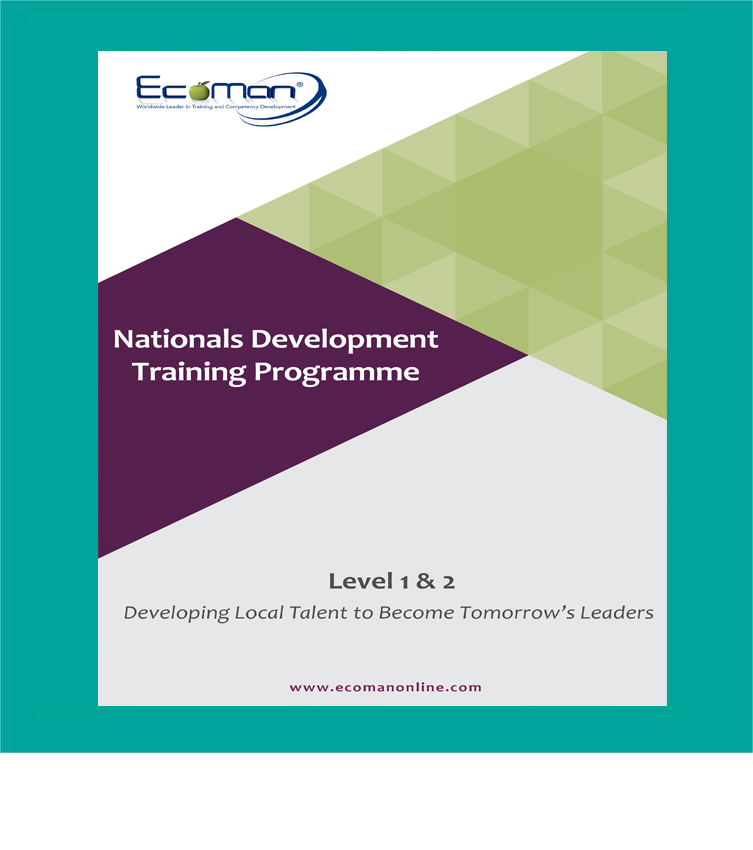
Nationals Development Training Program

2026 Training Calendar (Excel)

Laboratory Systems ISO17025 Consulting
Competency Frameworks Consulting

Talent & Succession Planning Solutions

Employee Assessment & Development Plans

Hotline: +9712 -6911888
info@ecoman-uae.com
Send to Colleague
Hotline: +9712 -6911888
info@ecoman-uae.com